

Game Overview.
When I originally reviewed Soulmask during Early Access, I felt it was one of the most interesting new survival games I had played in quite some time.
It was already surprisingly polished, looked fantastic, ran extremely well and, most importantly, was willing to do things differently.
Rather than taking Ark, Conan Exiles or another successful survival game, changing a few names and calling it a day, Soulmask built much of its identity around tribe management, specialised characters and the idea that the player’s true identity resides within their mask rather than any particular body.
I liked that idea when I originally reviewed Soulmask.
Having returned for the full release, I still personally prefer playing a consistent character from beginning to end, but I have developed an even greater appreciation for what CampFire Studio was trying to accomplish.
Soulmask is different.
The survival genre needs more games willing to be different.
More importantly, almost everything I liked during Early Access has been improved, while many of the things I criticised have either been addressed or considerably reduced.
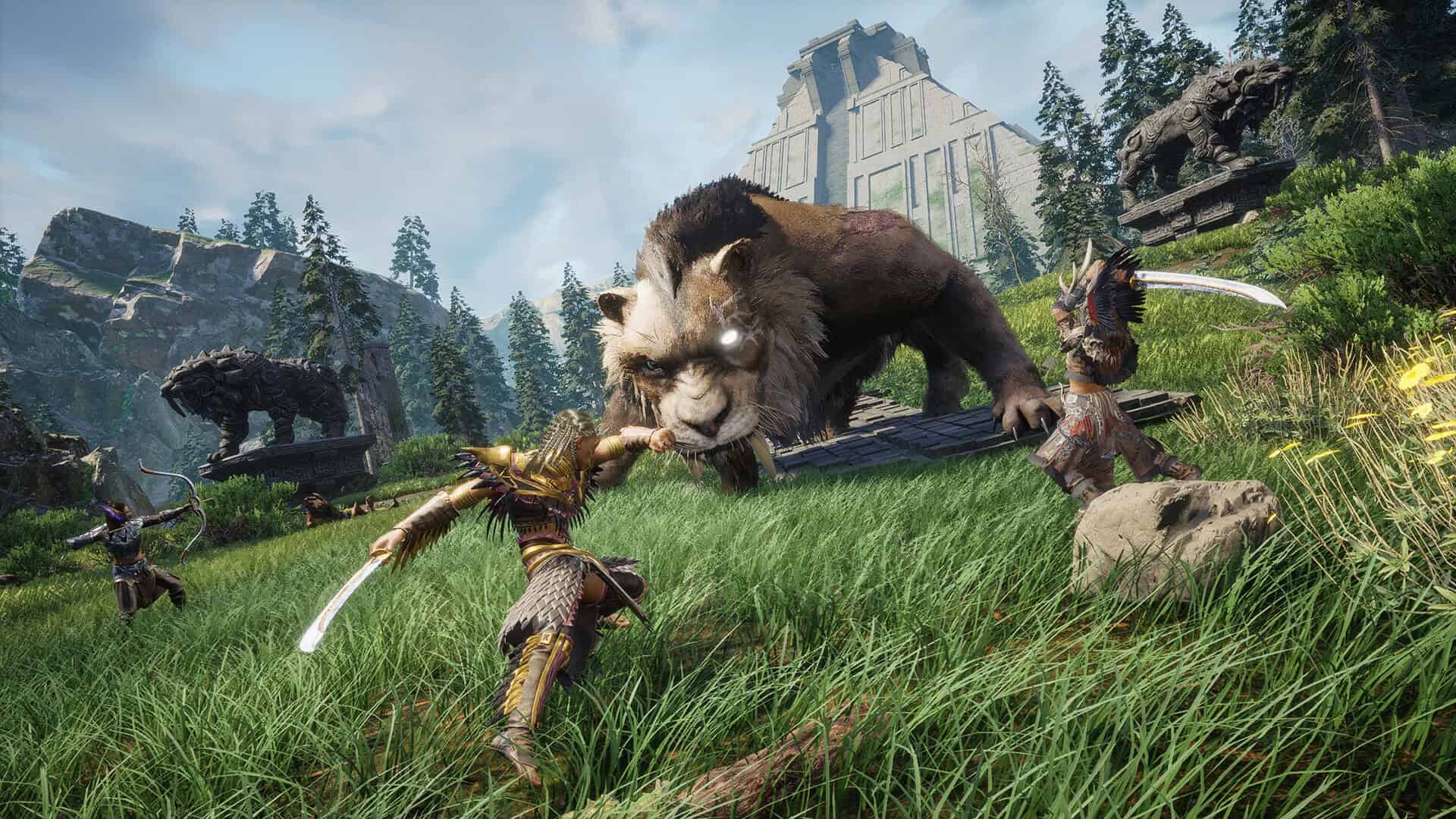
You Play As A Mask.
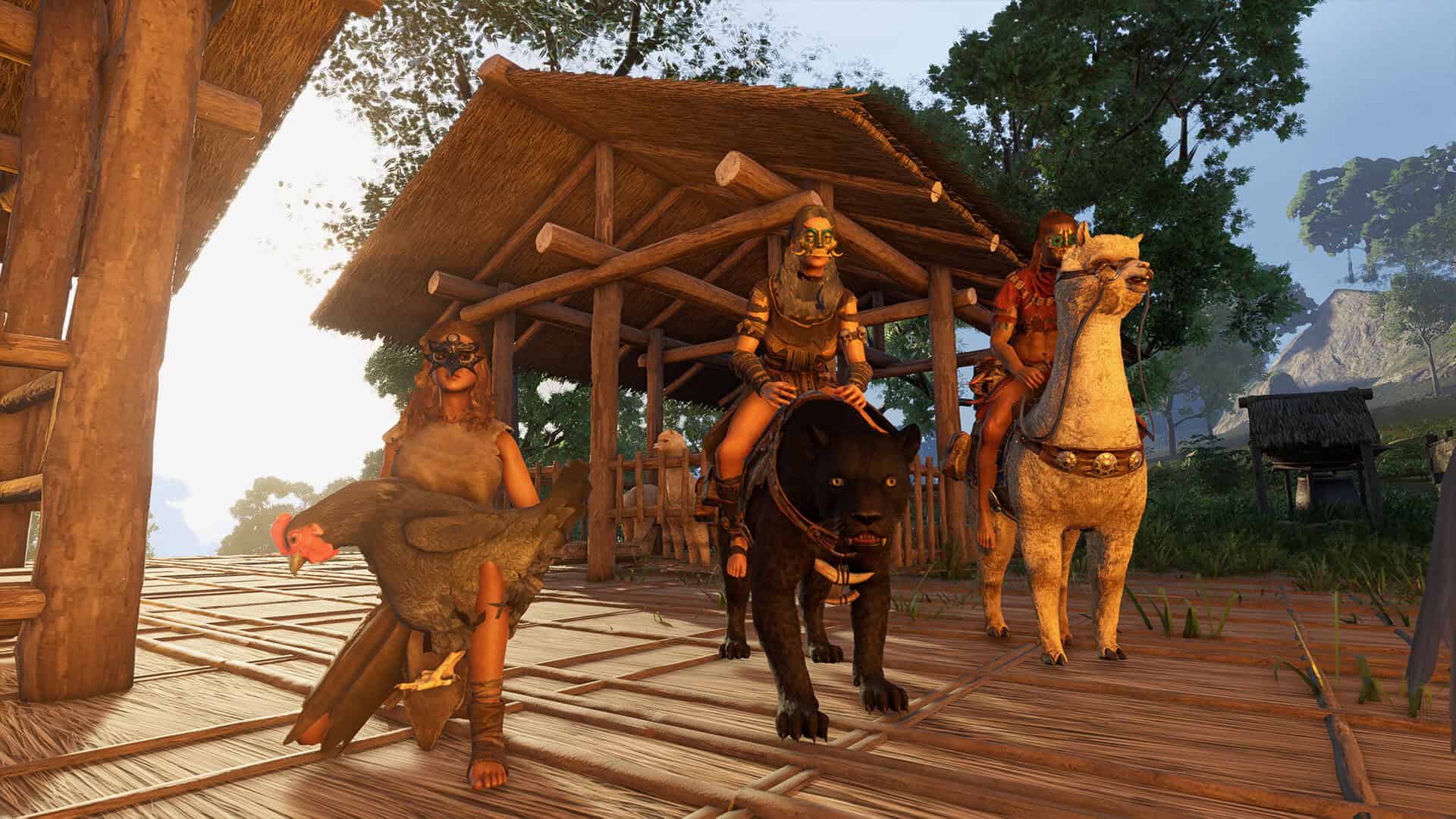
What continues to set Soulmask apart from almost every other survival game is that the mask is effectively your main character.
You create an initial character, but recruited tribesmen possess different strengths, weaknesses, skills and specialisations, allowing individual members of your tribe to considerably outperform your starting character in particular roles.
Once the necessary mask abilities have been unlocked, you can transfer between these characters and effectively use the most appropriate member of your tribe for whatever you are attempting to accomplish.
That remains an unusual concept.
As someone accustomed to traditional RPG and survival-game progression, I generally prefer having one consistent character.
I enjoy watching *my character* become stronger.
There is an inherent power fantasy to taking the person you created at the beginning of an adventure and slowly transforming them into somebody capable of flattening enemies that once terrified them.
Soulmask deliberately challenges that expectation.
Your body is not necessarily special.
The mask is.
Initially, I found the weaker starter character somewhat frustrating, and I still understand why some players will dislike the system.
However, I appreciate the design far more now than I did during Early Access.
We have plenty of traditional power fantasies already.
Two different things can both be good.
I like a nice juicy steak, but I also like a good hamburger. They are very different things, and one does not need to become the other for both to be worth eating.
The same applies here.
I would probably still choose the consistent-character approach if somebody offered me the choice, but I no longer think Soulmask needs to abandon its defining mechanic simply to become more familiar.
It is a genuinely different approach to survival-game progression, and frankly, this genre needs developers willing to try genuinely different things.
The concept of controlling another person’s body naturally raises questions about free will, something I discussed at length in my original review.
As a Christian, I believe free will is profoundly important.
God allows mankind to choose whether to follow Him, and the Gospels teach that despite mankind’s rebellion and sin, reconciliation with God is possible through Jesus Christ, whose life, death and resurrection provide the way back to the Father.
Soulmask’s domination mechanic obviously bears no meaningful resemblance to that real theological question.
This is ultimately a fictional mask-powered staring contest that allows me to play as different computer-controlled tribesmen.
I am perfectly capable of discussing why free will matters while also enjoying the mechanic for what it is: an unusual and entertaining way of controlling a collection of specialised characters while retaining access to the knowledge and abilities associated with your mask.
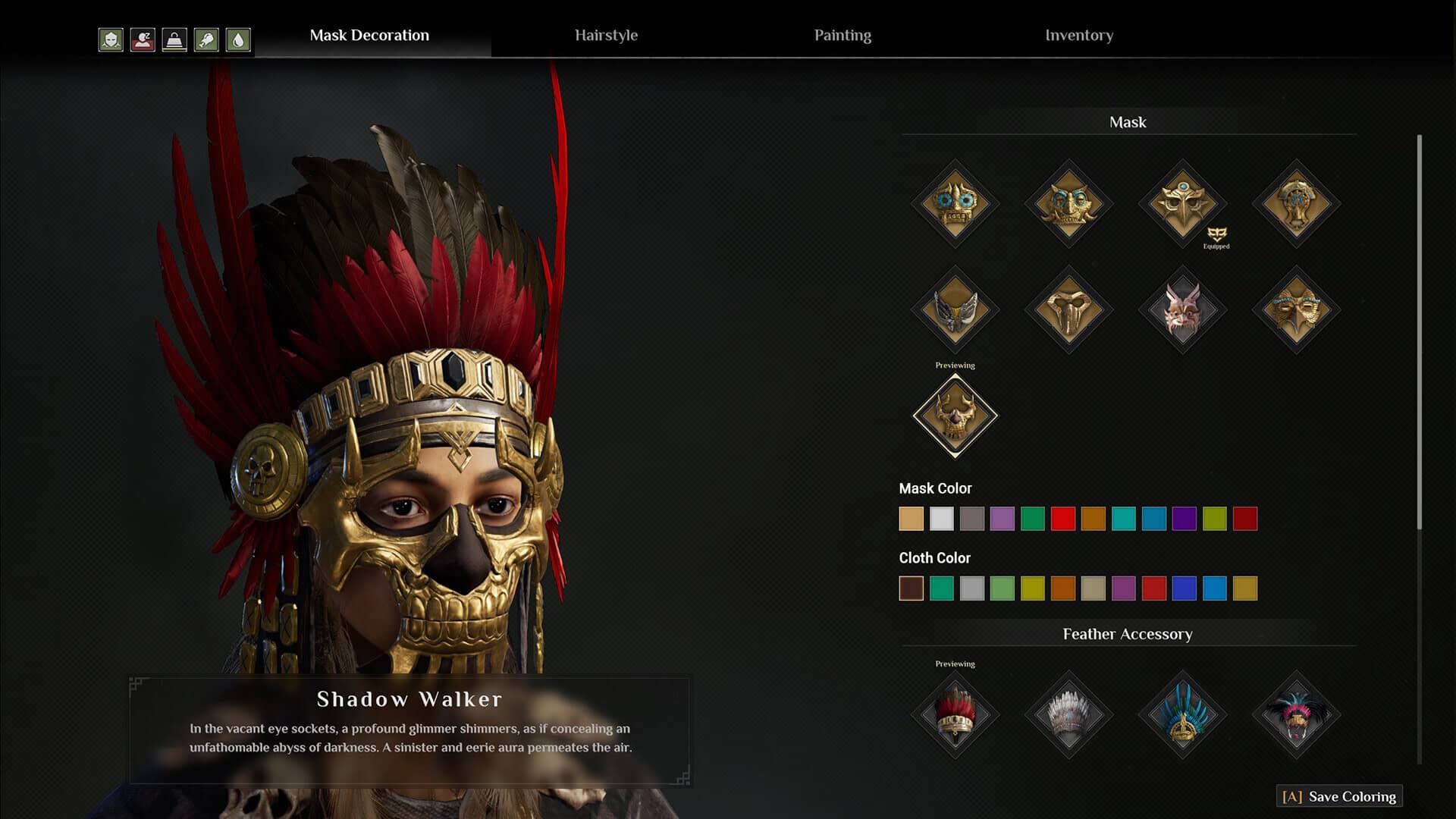
It Takes a Tribe to Build a Village.
The tribe system was already one of Soulmask’s greatest strengths when I originally reviewed it.
It is substantially better now.
The improvement is actually difficult to overstate.
Going from the tribe systems found in older survival games such as Conan Exiles to Early Access Soulmask already felt like an enormous leap.
Going from Early Access Soulmask to the current tribe system feels like another leap of similar magnitude.
Your tribesmen feel considerably more alive.
Their AI is more convincing, their behaviour is more cohesive and managing an entire settlement feels much closer to overseeing a functioning community than supervising a collection of NPC crafting stations.
They are not suddenly endowed with human intelligence.
I have still encountered the occasional tribesman making questionable life decisions, including NPCs managing to get themselves stuck around water and bridges.
Apparently artificial intelligence has yet to conquer the ancient enemy known as pathfinding.
However, those incidents have been exceptions rather than the defining feature of my experience.
Most of the time, the tribe simply works.
Members carry out their assigned responsibilities, move around the settlement, gather, craft and generally behave in ways that make the settlement feel occupied.
One of the biggest improvements is that tribe management itself is considerably easier.
Recruitment has also become far less cumbersome.
Once a potential recruit has been successfully deterred or dominated, assuming you have an available tribe slot, bringing them into your community is substantially more straightforward than the process I remember from Early Access.
You no longer feel as though every potential recruit needs to be nursed through an unnecessarily long onboarding programme involving beds, bowls of soup and enough administrative paperwork to satisfy a local council.
I particularly enjoyed this while testing Tribe Mode at lower difficulty settings.
I deliberately spent some time experiencing Soulmask this way because I wanted to see what a newer player would encounter rather than judging the entire game through the eyes of somebody who already understands its systems.
I think Tribe Mode provides an excellent introduction.
Another major improvement is being able to travel with more than one member of your tribe.
In my original review, one of my specific complaints was that I wanted the ability to bring multiple AI tribesmen into PvE encounters.
Having access to additional followers makes adventuring feel much more appropriate for a game fundamentally built around being the leader of a tribe.
That was something I specifically wanted from Early Access Soulmask, and I am very pleased to see the concept expanded.
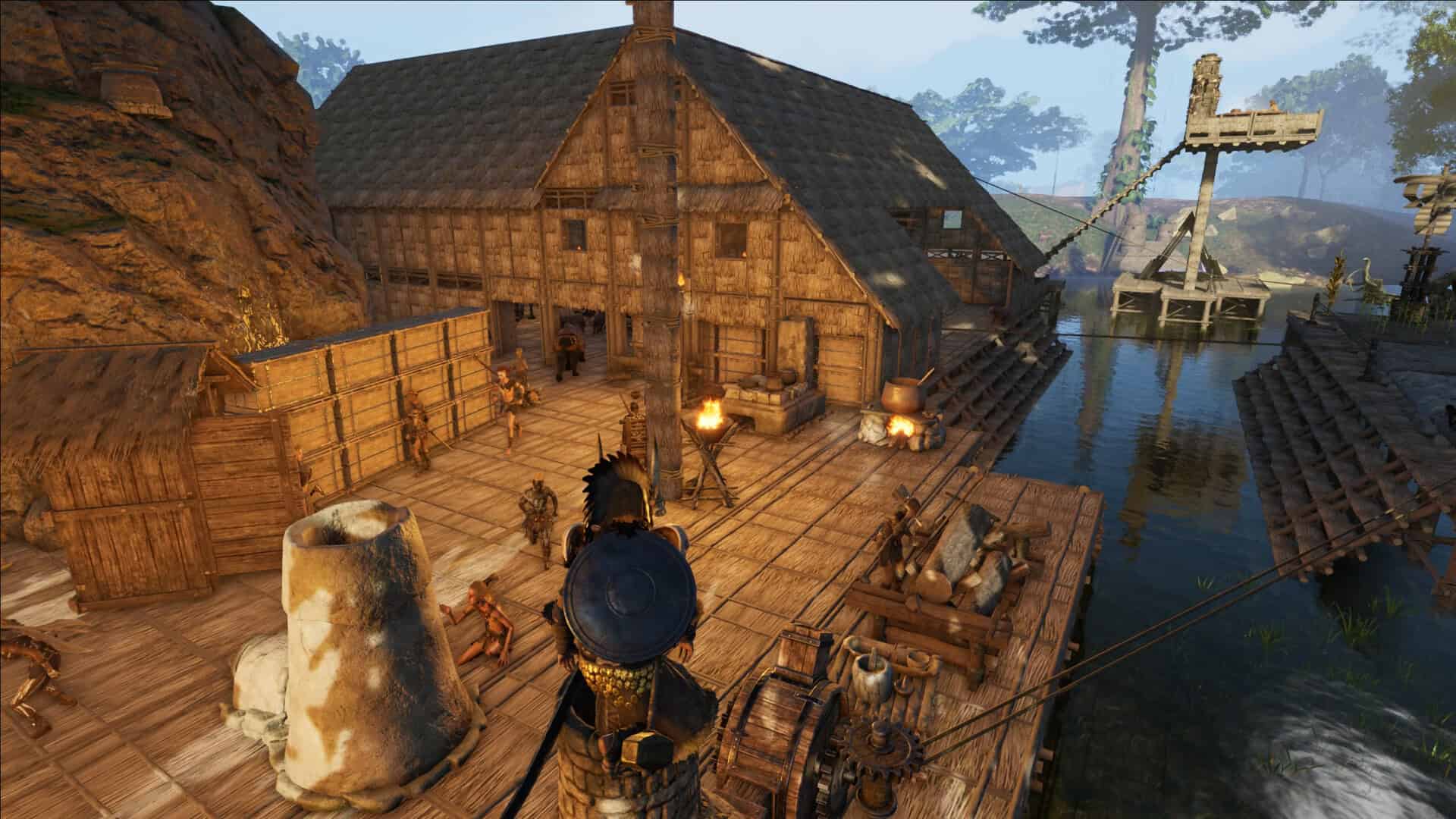
Three Very Different Ways to Play.
One of the most important additions to Soulmask 1.0 is the introduction of three distinct playstyles: Survival Mode, Tribe Mode and Warrior Mode.
These are more meaningful than conventional easy, normal and hard difficulty presets.
They alter which parts of Soulmask receive the greatest emphasis.
Survival Mode is closest to the traditional Early Access Soulmask experience.
It retains the harsher open-world survival focus while benefiting from rebalanced progression and the years of refinement that accompanied the journey towards full release.
Tribe Mode is the mode I think many new players should seriously consider starting with.
It places greater emphasis on growing, managing and automating your tribe.
Soulmask’s tribe mechanics are arguably the thing that distinguishes it most strongly from other survival games, and Tribe Mode allows those systems to take centre stage.
It is also the mode in which I found the improvements to recruitment, automation and general tribe behaviour particularly enjoyable.
Warrior Mode moves in almost the opposite direction.
It puts far greater emphasis on fighting and strips away some of the survival busywork, allowing Soulmask’s combat mechanics to resemble those of an action RPG far more closely.
I really like this approach.
Rather than attempting to make one ruleset satisfy every survival player, Soulmask increasingly accepts that different people enjoy different aspects of the genre.
Some want to struggle against nature.
Some want to construct and manage an increasingly elaborate civilisation.
Others want somebody to hand them a large weapon and point them towards something unpleasant.
Soulmask now accommodates all three surprisingly well.
Skills, Crafting, Progression, Oh My!
Soulmask already handled skills and crafting well during Early Access.
For the most part, the full release has chosen refinement over reinvention.
That was the correct decision.
Skills continue to improve through use.
Cutting trees makes you better at cutting trees. Practising metalwork improves your metalworking ability. Cooking, carpentry and other disciplines follow the same basic philosophy.
Combined with specialised tribesmen, this means your settlement naturally develops characters who are substantially better at particular jobs.
Crafting also feels far more streamlined now.
It does not feel as though the developers have fundamentally ripped out the old system and replaced it with something new.
Instead, they have spent years removing friction.
Tasks that previously felt cumbersome feel more natural, and the increasing ability of your tribe to automate repetitive work means the player can spend considerably more time actually playing the parts of Soulmask they enjoy.
Progression has undergone an equally important improvement.
When I originally played Soulmask, I eventually reached points where advancement slowed considerably and started feeling like a grind.
That was one of my concerns about the long-term experience.
I no longer feel that way.
Progression in the full release is fast enough during the early game to keep things interesting, then gradually becomes more demanding as you advance.
That is exactly how progression should work.
The important distinction is that increasing difficulty does not automatically translate into increasing tedium.
At normal and lower difficulty settings, I never felt as though Soulmask suddenly erected an enormous grinding wall simply to artificially extend the amount of time required to reach the next milestone.
Early progression feels fast.
Later progression requires more effort.
Neither feels unreasonable.
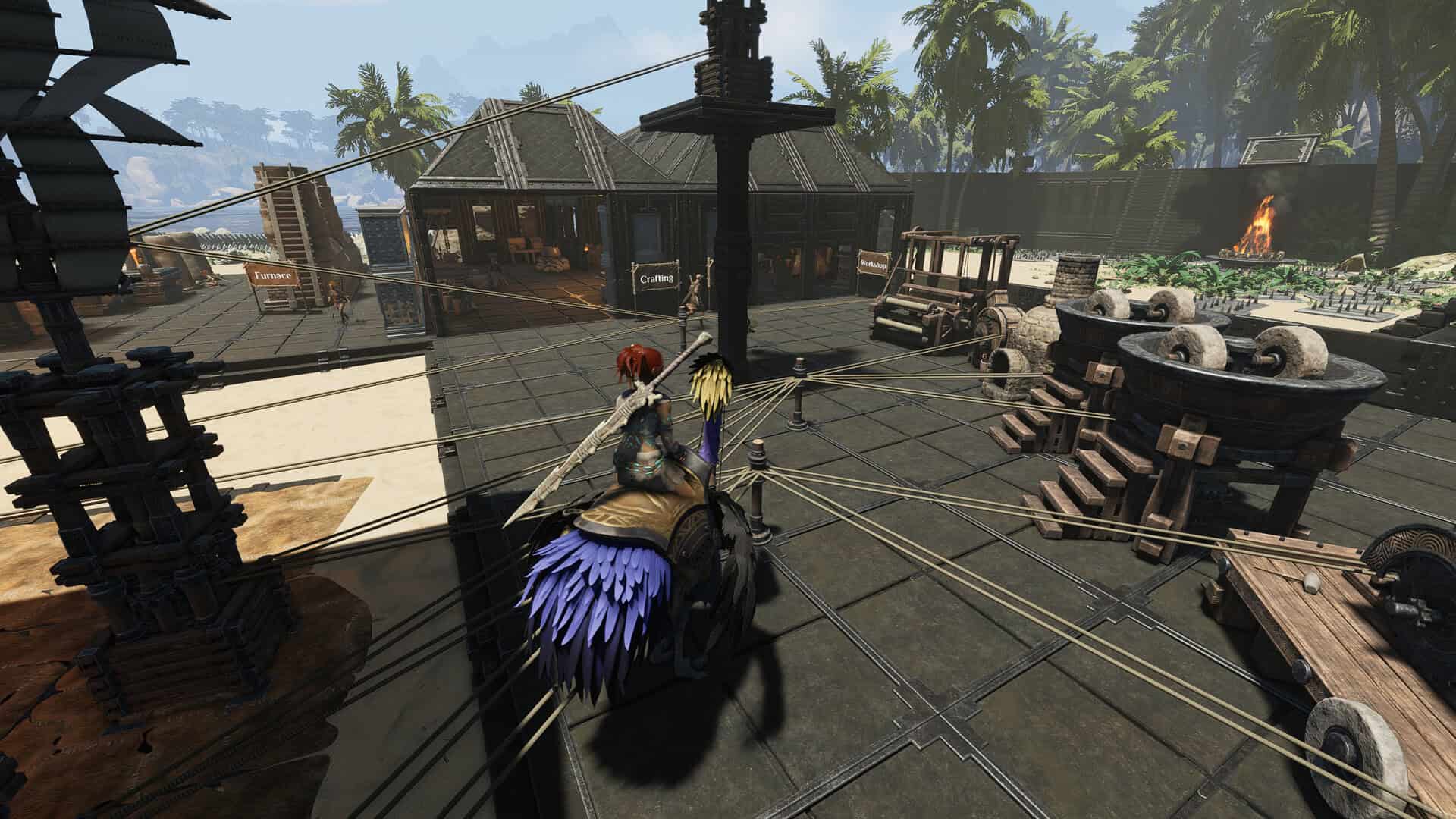
Building.
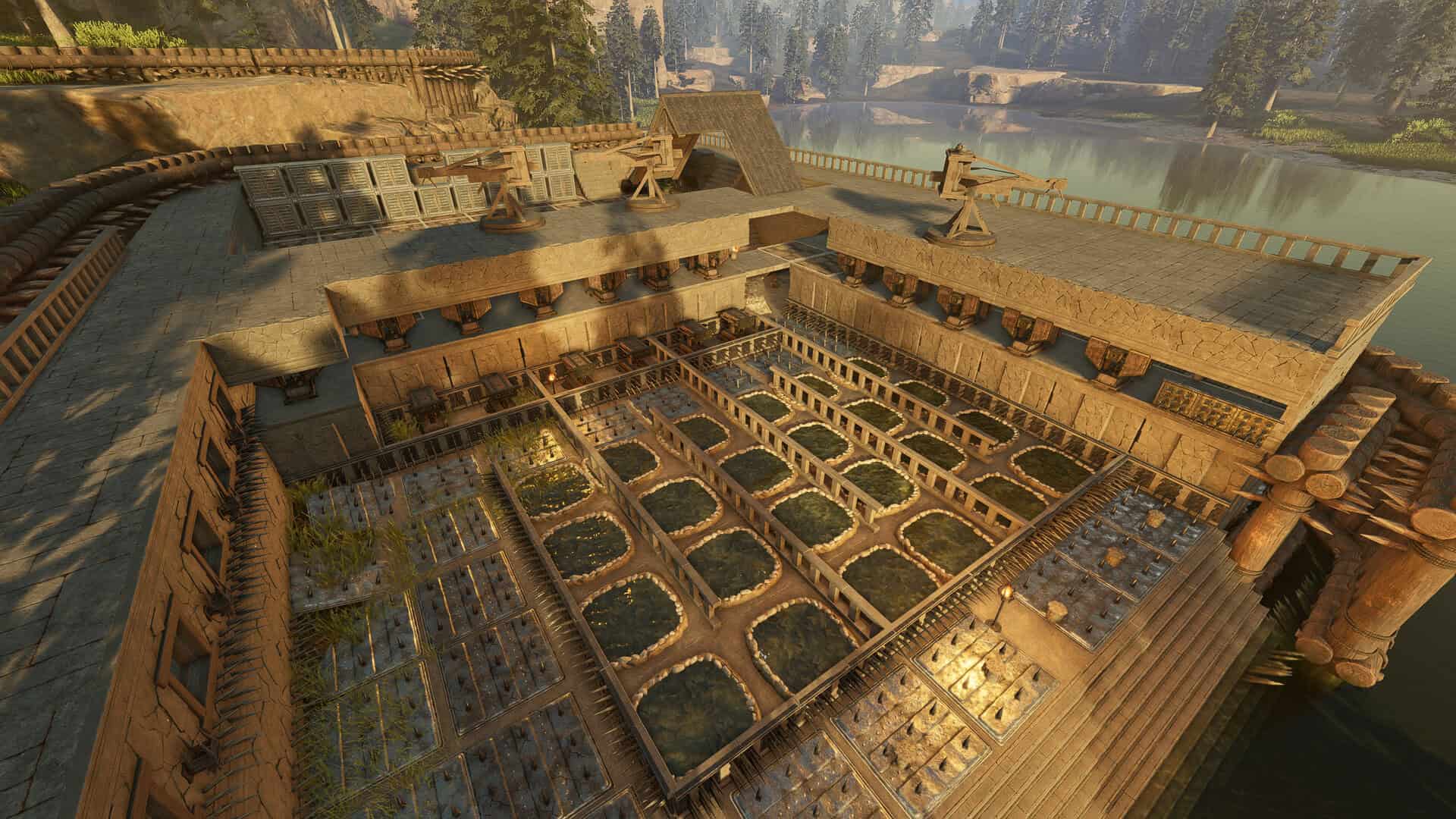
Building was already very good when I originally reviewed Soulmask, and this is another area where CampFire Studio appears to have followed the philosophy of improving what worked rather than replacing it for the sake of appearing innovative.
The underlying system simply feels cleaner and more streamlined.
The full release also improves placement and general building behaviour, making construction less of a battle against the building system itself.
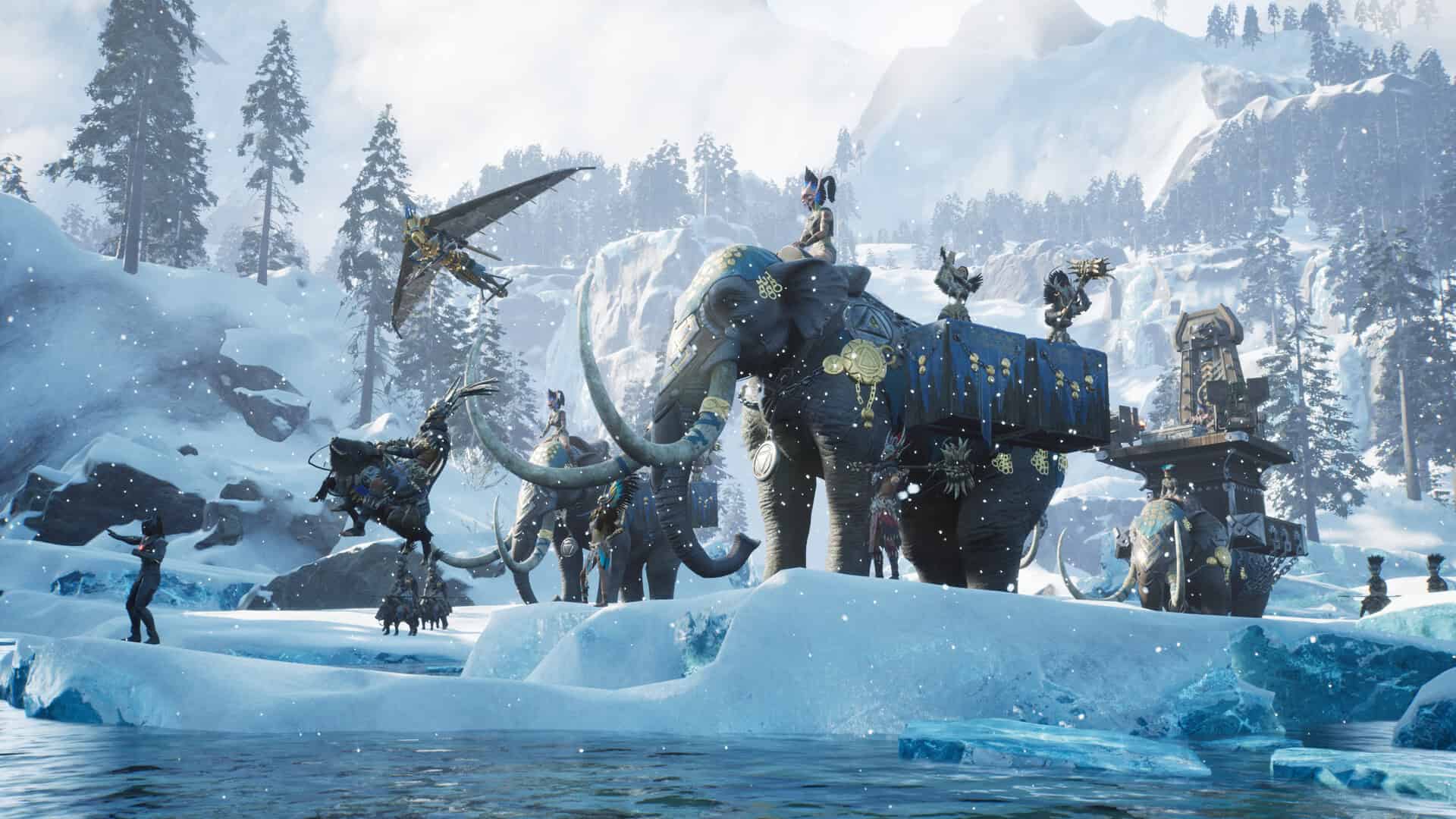
The Shifting Sands expansion takes the concept considerably further by introducing customisable ships and airships.
These are not merely glorified mounts.
Players can construct vessels capable of functioning as mobile bases, with tribesmen living and working aboard and production facilities travelling with you.
That is a fantastic expansion of Soulmask’s building mechanics.
The idea of transforming your settlement from something permanently rooted to one location into a functioning mobile civilisation fits Soulmask remarkably well.
I already enjoyed building.
Being able to take part of that civilisation with me makes exploration considerably more appealing.
Combat.
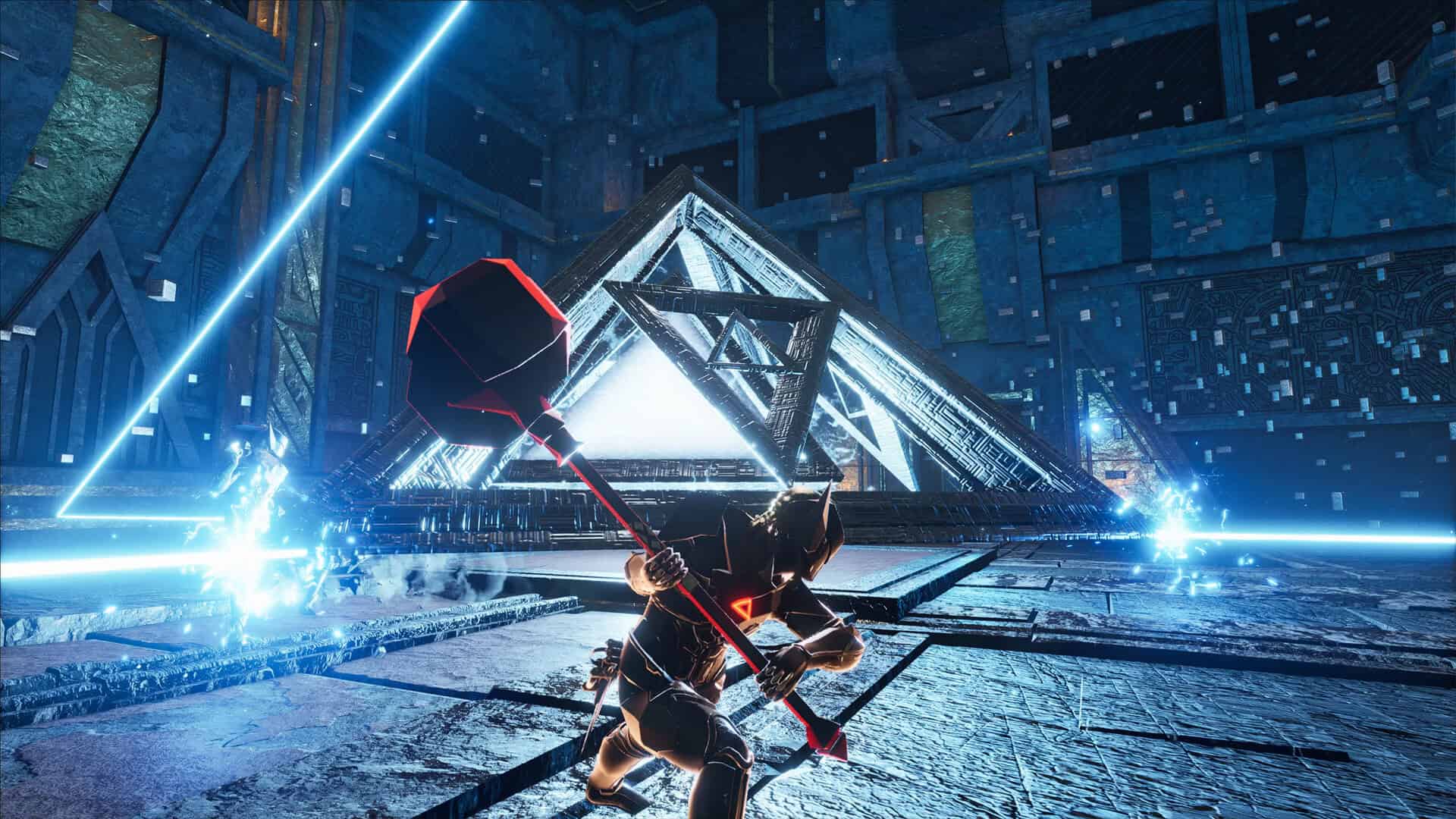
Combat was good during Early Access.
It remains good.
I would not describe the full-release combat system as revolutionary compared with what came before.
Instead, almost everything that worked previously feels more polished.
Movement feels better.
Fighting feels smoother.
Enemy encounters feel more refined.
Soulmask increasingly resembles a competent action RPG that happens to have an enormous survival and tribe-management game attached to it.
That becomes particularly noticeable in Warrior Mode.
With survival busywork taking less of your attention and combat becoming the primary focus, Soulmask demonstrates just how capable its underlying fighting system has become.
This is improvement rather than reinvention.
Sometimes that is exactly what a game needs.
It Has Plenty of PvE Content.
I was impressed by Soulmask’s PvE offerings during Early Access.
The full release gives players considerably more to do.
Soulmask has always leaned closer towards a sandbox MMORPG than the theme-park structure offered by something such as World of Warcraft.
Enemy settlements, fortifications, ruins, dungeons, bosses and open-world encounters give players multiple ways of approaching PvE.
Charging into an enemy settlement with a group of allies remains great fun.
Approaching carefully and attempting to avoid attracting half the local population remains equally valid.
The ability to travel with additional tribesmen also helps these encounters feel far more appropriate than they did when players were largely limited to a single AI companion.
Most importantly, one of my biggest Early Access concerns has effectively been addressed by expansion.
I previously worried that the map was simply too small for the amount of activity taking place within it.
On active servers, particularly PvE servers filled with persistent player settlements, I could easily imagine players eventually feeling as though they were tripping over one another.
The addition of Shifting Sands substantially changes that conversation.
Soulmask now offers multiple worlds to explore, with the newer desert setting adding different environments, enemies, creatures, ruins and dungeons alongside the original world.
The result is a game that feels considerably larger and more varied than the Early Access version I originally reviewed.
There is simply more world.
More enemies.
More mounts.
More places worth visiting.
More dungeons.
More reasons to leave the safety of your settlement and see what is waiting over the next hill.
Singleplayer.
Soulmask has also become one of the relatively small number of survival games that I think I could genuinely enjoy playing alone for an extended period.
I still think it is better with other people.
Most survival games are.
Building a settlement with friends, exploring together and having somebody else around when everything inevitably goes horribly wrong adds something AI companions cannot completely replicate.
However, Soulmask’s tribe system makes solo play unusually compelling.
You do not feel completely alone simply because there are no other human players online.
Your settlement contains an increasingly substantial population going about its business, while followers can accompany you into the world.
That gives solo Soulmask a sense of activity that many survival games simply lack.
Tribe Mode makes that even stronger.
For somebody primarily interested in PvE who does not always want to organise sessions around other people’s schedules, Soulmask is now one of the survival games I would be most comfortable recommending for solo play.
It’s Highly Polished.
When I originally reviewed Soulmask during Early Access, I was surprised by how polished it already felt.
The finished version is considerably more impressive.
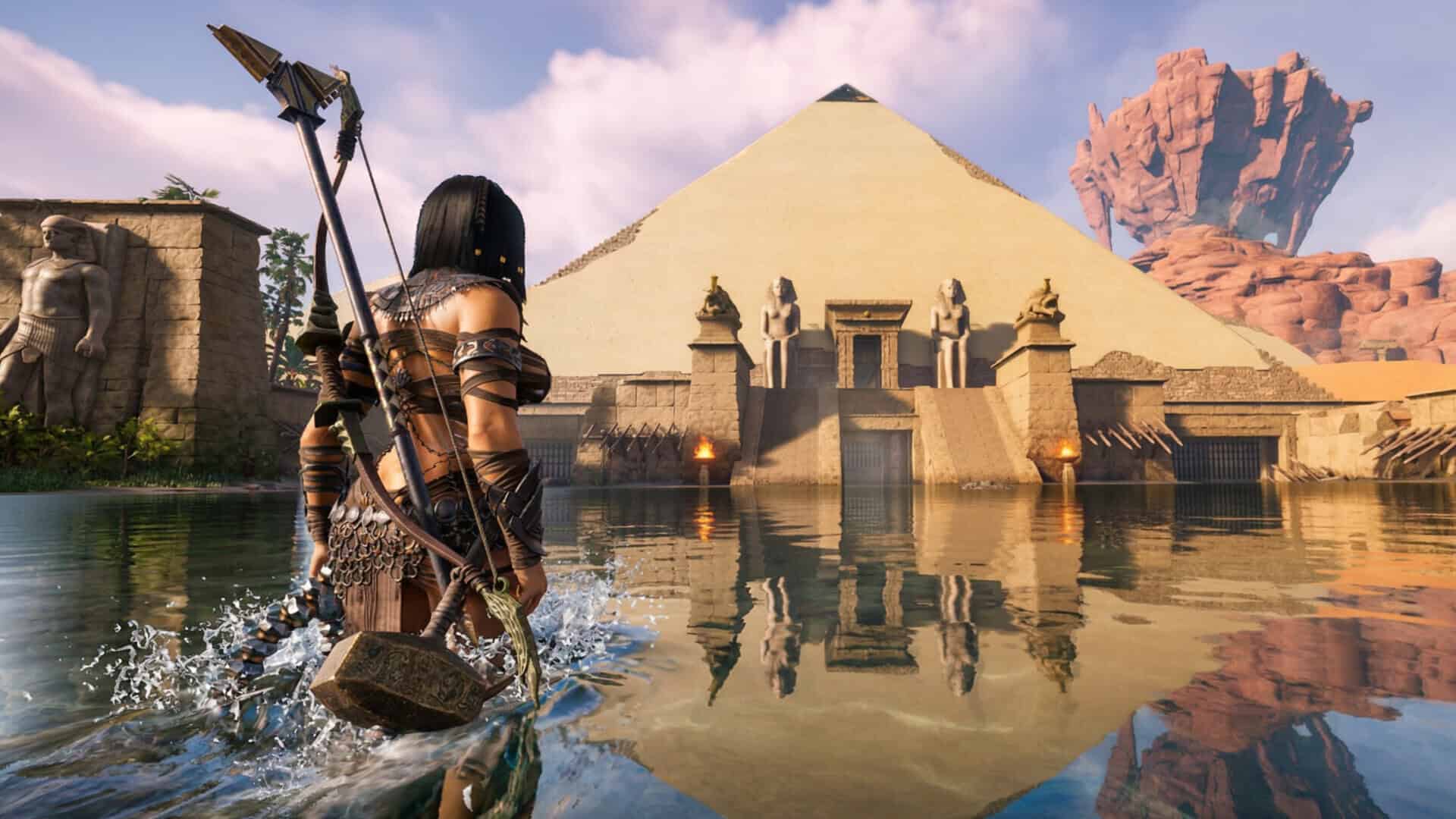
Soulmask remains visually attractive, its environments are atmospheric and its weather effects remain excellent.
More importantly, performance during my testing was rock solid.
I prefer locking games to 60 FPS, and Soulmask maintained that target for the vast majority of my playtime.
There were occasional micro-stutters where I saw the frame rate briefly drop to around 59 FPS, but these moments were insignificant.
Even during combat, the game remained remarkably consistent.
Obviously performance will differ between systems, but based on my experience, Soulmask’s technical performance deserves considerable praise.
The English translation was previously the most obvious crack in an otherwise polished presentation.
When I first reviewed Soulmask, some of the English could charitably be described as rough and less charitably be described as auto-translated Engrish.
That has improved enormously.
There are still occasional awkward phrases or mistakes, but they are now relatively rare.
Previously, the poor translation was something players were likely to notice repeatedly.
Now it is something I occasionally notice because the overwhelming majority of the English is perfectly understandable.
That is precisely the sort of improvement I hoped would happen before full release.
Jiggle Physics.
Unfortunately, one thing I complained about during Early Access has not improved.
If anything, it has become worse.
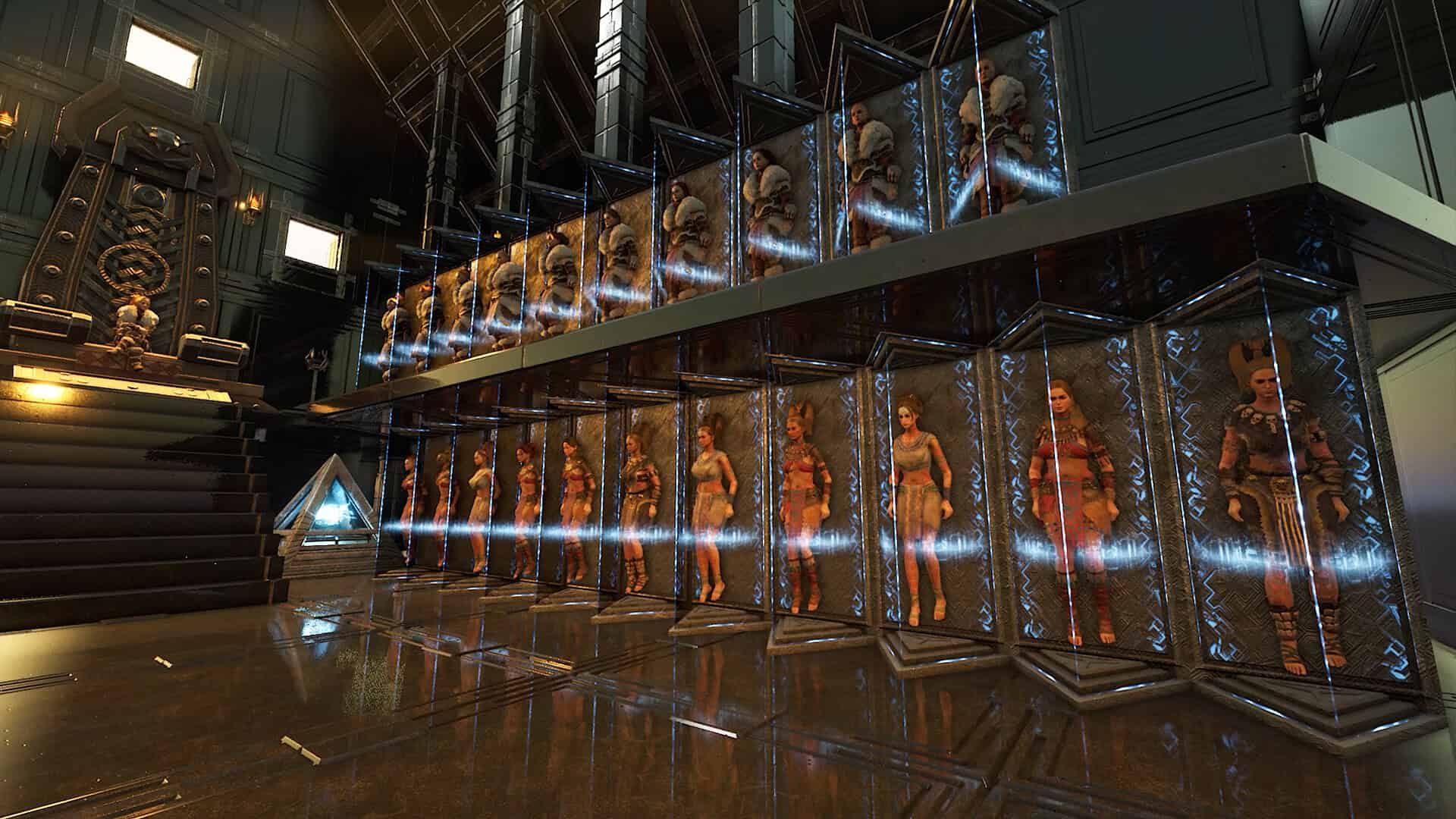
Soulmask’s jiggle physics are completely out of control.
Female characters can bounce around like somebody replaced parts of their anatomy with water balloons, and the effect becomes particularly ridiculous during movement and combat.
I criticised this heavily in my original review because it only affected female character models in this exaggerated manner and came across less like realistic physics and more like deliberate sexualisation.
My opinion has not changed.
In my original review, I mentioned discussing Soulmask with a female friend who had thousands of hours invested in games, particularly survival games.
She enjoyed Soulmask itself but found the exaggerated physics uncomfortable because female characters were being visibly objectified in a way that male characters were not.
The full release has done nothing to convince me that my original criticism was misplaced.
I do not object to the human body existing.
Nor do I believe that every depiction of nudity or sexuality is automatically immoral.
Context and intention matter.
I do, however, believe that creating content specifically to provoke lust is wrong, and I think games should be especially careful when exaggerated sexualisation serves no meaningful artistic or narrative purpose.
Soulmask does not currently rely on full nudity to make its characters sexualised.
It does not need to.
The physics are already capable of turning an otherwise ordinary female character into a distracting spectacle simply by having her run across the screen.
For players who struggle with lust, this is worth knowing before purchasing the game.
For everybody else, it is still an unnecessarily ridiculous blemish on an otherwise extremely polished game.
Is Soulmask Good for New Players?
Yes.
In fact, I think the full release is considerably easier to recommend to newcomers than the Early Access version I originally reviewed.
The systems are more polished, recruitment is easier to understand, progression is smoother, the English translation is vastly better and the different game modes allow players to choose a version of Soulmask closer to the experience they actually want.
I would recommend that completely new players resist the temptation to immediately select the harshest settings available simply because they have played other survival games.
Soulmask has a lot of interconnected systems.
Starting on a lower or normal difficulty gives you time to understand how masks, tribesmen, automation, progression and combat interact before increasing the challenge.
I would particularly recommend Tribe Mode as a starting point for many players.
Likewise, unless somebody specifically wants the danger associated with PvP, I would suggest learning Soulmask through PvE first.
Playing PvE alone or alongside a friend provides an opportunity to understand the world without immediately competing against veteran players who have spent years learning exactly how to ruin somebody else’s afternoon.
PvP can be brutal.
There is nothing wrong with eventually embracing that brutality.
You simply do not need to use your first few hours as target practice for people who already know every system considerably better than you do.
Should Early Access Players Return?
Absolutely.
Soulmask is well worth revisiting.
The differences are not limited to a couple of new weapons, enemies and balance patches.
The tribe-management experience is substantially better.
Recruitment is smoother.
AI feels more alive.
Progression is better paced.
The translation is enormously improved.
Combat has received substantial polish.
The world is larger.
The Shifting Sands content adds an entirely new setting and mobile-base possibilities.
The different game modes allow players to decide which parts of Soulmask they want to emphasise.
Almost everything that made Early Access Soulmask interesting remains intact.
It is simply surrounded by a much more complete game.
I am genuinely looking forward to sinking a lot more time into it.
Soulmask FAQ
Soulmask is a survival game developed by CampFire Studio and published by Qooland Games, it released on 9 April 2026, and is available exclusively on PC.
Is There Group Finding/Matchmaking Support?
Soulmask offers the following matchmaking options:
- ☑ Solo Matchmaking
- ☑ Group Matchmaking
- ☑ Server Browser
What Peripherals Are Supported?
Soulmask supports the following peripherals:
- ☑ PC - Mouse and Keyboard
Is There Any Mature Content?
Soulmask is unrated and contains:
- ☑ Gore
- ☑ Partial Nudity
- ☑ Sexual Content
- ☑ Violence
Final Verdict.
When I originally reviewed Soulmask, I called it a really fun Early Access survival game offering a huge amount of surprisingly polished content.
I also had serious concerns about its future.
The main-character system was going to prove divisive, progression eventually became grindy, the English translation was rough, AI occasionally struggled and I worried that the relatively small world would eventually restrict its long-term appeal.
Most importantly, I wondered whether CampFire Studio could retain what made Soulmask unique while making enough improvements to keep survival players interested long enough to avoid the fate suffered by countless promising Early Access survival games.
I think the full release answers that question.
Soulmask made it.
It did not survive Early Access by abandoning the things that made it different.
It refined them.
I still personally prefer having one consistent character in a survival game, but I now appreciate Soulmask’s mask and possession mechanics for precisely what they are: something different.
The tribe system that impressed me years ago is substantially better.
Tribesmen feel more alive, management is considerably easier and being able to adventure alongside more of the people I have recruited makes the entire concept of leading a tribe more convincing.
Combat was already good and is now more polished.
Building was already good and is now more streamlined and substantially expanded.
Progression no longer feels as though it inevitably disappears into a grind.
Performance was rock solid throughout the overwhelming majority of my time with the game.
The translation has gone from one of Soulmask’s most obvious shortcomings to an occasional minor annoyance.
The world is larger, more vibrant and filled with far more things to discover.
The introduction of Survival, Tribe and Warrior modes also means Soulmask no longer needs every player to enjoy exactly the same interpretation of the survival genre.
That is perhaps the greatest strength of the finished game.
Soulmask is still Soulmask.
It is simply much better at being Soulmask than it was when I originally reviewed it.
The absurd jiggle physics remain an unnecessary and disappointing blemish, particularly for players who are uncomfortable with sexualised content or who know that such material encourages them towards lust.
Beyond that reservation, however, I fully recommend Soulmask.
New players should consider beginning at a lower difficulty, preferably in PvE or alongside a friend, before throwing themselves into the considerably less forgiving world of established PvP communities.
Returning players have an even easier decision.
Come back.
Soulmask has grown enormously since Early Access, and based on what I have played of the finished version, I am looking forward to spending considerably more time with it.
Disclaimer
Soulmask and related characters, artwork, logos, names, and trademarks are the property of Qooland Games. Images are used for editorial, review, commentary, and criticism purposes only.Is Soulmask Worth Playing?
We found Soulmask to be a masterpiece of a game, meaning it is a must-play for almost every gamer, due to its near-perfect gameplay experience.


